
Introduction
Understanding license plates for japan is like reading a coded language that reveals key information about vehicles, their purpose, where they are registered, and even their engine size. At first glance, a Japanese license plate may look simple, with just numbers and characters placed within a rectangular frame. Once you know what each section represents, you can instantly identify vehicle class, weight category, engine displacement, and registration region. This deep level of organization reflects Japan’s strict vehicle regulations and highly structured transportation system.
In this article, we are going to explore the world of Japanese license plates with depth, clarity, and relevance. You will learn how the design systems work, why they exist in specific formats, and how they tie into vehicle classification and regional identity. We will also look at how these plates differ for commercial vehicles, personal cars, kei vehicles, motorcycles, and special purpose automobiles. If you are a car enthusiast, a professional in mobility industries, or someone interested in Japanese culture and systems, this article will help you fully appreciate how license plates for japan reflect vehicle class and region.
Section 1: A Comprehensive Look at Japanese License Plates
To understand how license plates for japan reflect detailed information, we first need to know what components make up a standard plate and what each element signifies. Japanese plates come in various formats based on vehicle type, but all share common design principles.
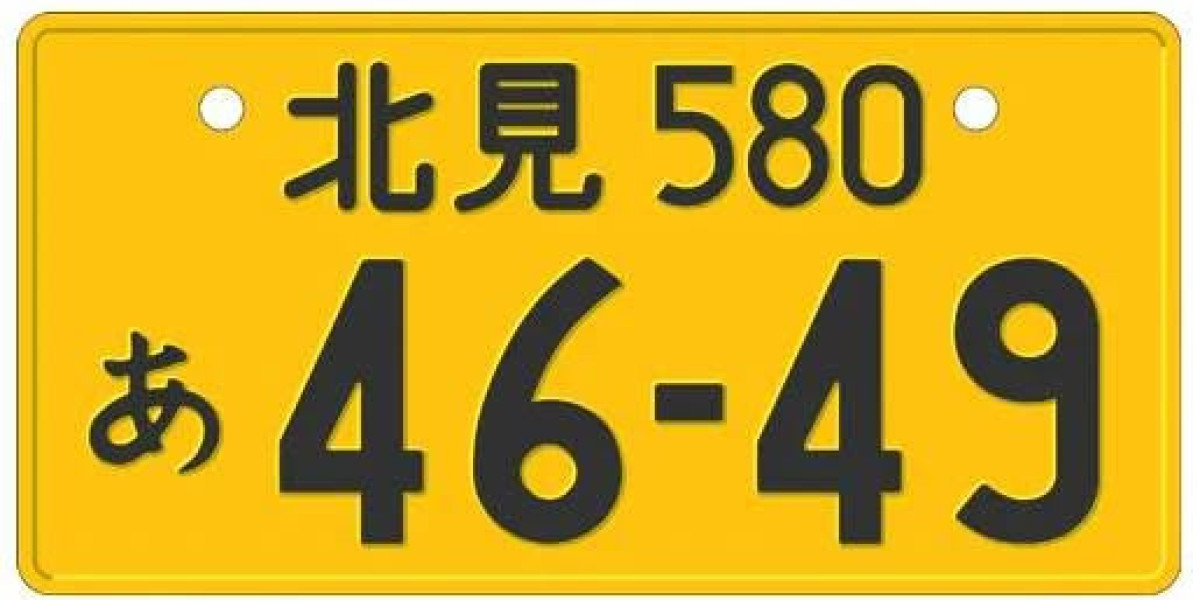
What Japanese License Plates Look Like
A Japanese license plate typically includes the following key elements:
A prefecture or regional code written in Japanese characters
A vehicle class number shown as digits at the top
A hiragana character that appears next
A serial number composed of digits at the bottom
Here is a breakdown of these elements, explained so that even a complete beginner can understand their meaning:
| Plate Section | Meaning | Example |
|---|---|---|
| Prefecture name | Indicates where the vehicle is registered | Tokyo, Osaka, Hokkaido |
| Vehicle class number | Numbers that show vehicle size and engine type | 500, 300, 100 |
| Hiragana character | Designates vehicle category | あ, せ, ろ |
| Serial number | Unique identifying sequence | 12-3456 |
Each element contributes to the story about the vehicle, from where it is registered, to its intended use and class.
The Purpose Behind Japanese License Plate Structure
Japanese license plates may appear complex, but their structure exists for very practical reasons:
To make law enforcement and inspection easier
To help in quick vehicle identification
To facilitate administrative processing
To support traffic management and toll systems
To distinguish vehicle categories clearly
Unlike some countries where license plates are primarily personalized or vanity oriented, plates in Japan are highly standardized, regulated, and informational.
Standard Materials and Plate Classes
Most license plates for japan are made of lightweight metal, usually aluminum, with reflective paint and stamped or printed characters for visibility. There are also special purpose plates with distinct colors or marks, such as diplomatic plates or temporary plates used for vehicle transfers.
Section 2: How Vehicle Class Is Represented in Japanese License Plates
One of the most significant features of license plates for japan is how they show vehicle class. This classification distinguishes between standard passenger cars, commercial vehicles, light vehicles, and motorcycles. Let’s explore how these classifications are reflected in the plate numbers.
Vehicle Class Numbers
The vehicle class number appears in the upper right section of the plate. These numbers indicate the general category of the vehicle and often correspond to the engine displacement or vehicle size.
Common vehicle class numbers include:
500 Series: Standard passenger cars with engines larger than 660cc
300 Series: Smaller passenger vehicles or engines near the minimum standard
100 Series: Large trucks and buses
800 Series: Recreational vehicles and trailers
400 Series: Commercial vehicles (taxis, trucks)
660 Series Equivalent: Kei vehicles (light cars)
Each range carries specific definitions:
Standard Passenger Cars
Vehicles registered as private automobiles usually fall into the 300 or 500 series. These series are differentiated by engine size, weight, and sometimes even type of use.
Cars with engine displacements above 660cc typically receive a 500-series plate.
Smaller engines, but still standard automobiles, may receive a 300-series.
Trucks, Buses, and Commercial Vehicles
Larger vehicles, commercial trucks, or buses often fall into the 100 series.
These are vehicles that exceed standard dimensions or weight classes.
They are regulated differently due to their usage and impact on roads.
Kei Vehicles (Light Cars)
Kei cars are a unique class in Japan. These vehicles have restrictions on size, engine displacement, and power. They are popular due to lower taxes, insurance, and parking regulations.
Kei vehicles under 660cc often use green plates with yellow text.
This differentiates them visually from regular vehicles, which typically have black text on a white plate.
Example of Vehicle Class Identification
Let’s say you see a Japanese plate with the number 500, followed by a hiragana and then a numeric code like 12-3456:
The 500 tells you this is a standard passenger vehicle with a larger engine size.
If you see 330 or 300, it still may be a passenger vehicle but smaller or lighter in classification.
By understanding these codes, anyone familiar with the system can instantly tell what type of vehicle they are dealing with, without needing to reference a database.
Section 3: How Regional Codes Reflect Where Vehicles Are Registered
Another fascinating aspect of license plates for japan is how they reflect geography. Every vehicle in Japan must be registered with a local office of the Ministry of Land, Infrastructure, Transport and Tourism. The regional code tells you exactly where the vehicle’s registration originates.
Prefecture and Office Identification
At the top of the license plate, before the vehicle class number, you will see a place name in Japanese characters. This name could represent:
A prefecture
A city
A ward
A regional inspection office
For example:
Tokyo plates may show 東京 (Tokyo)
Osaka plates may show 大阪 (Osaka)
Hokkaido plates often include 北海道 (Hokkaido) with additional regional identifiers
Each registration office has its own codes and character combinations that reflect local identity.
Why Regional Identification Matters
Japan has a highly organized regional system for vehicle registration. Regional codes are used for:
Tax collection
Vehicle inspections
Local traffic records
Law enforcement coordination
Evading specific regional fees or requirements
By knowing the code on a plate, officials and citizens alike can identify where a vehicle is administered.
Urban Versus Rural Plates
Urban centers like Tokyo, Yokohama, Osaka, and Nagoya tend to have more diverse plate codes, because:
They register far more vehicles annually
They have multiple vehicle inspection offices
They serve densely populated transport hubs
In contrast, rural regions may have plates that clearly indicate a single regional office, making it obvious where a vehicle comes from geographically.
Section 4: Hiragana Characters on the Plate and What They Mean
After the regional name and class number on license plates for japan, you will find a single hiragana character. This character plays a subtle but important role.
What the Hiragana Character Signifies
The hiragana characters on Japanese plates are not random. They correlate with:
Vehicle type
Usage designation
Registration category
Sometimes owner preference or assignment order
Common hiragana used include characters like:
あ
い
う
せ
ろ
ち
Each character might be used more often for certain vehicle types or simply appear in sequence as registrations increase.
Patterns of Hiragana Assignment
While not always standardized nationwide, many regional offices follow similar assignment rules:
Hiragana characters may rotate through a specific list as new plates are issued.
Some characters are avoided due to cultural or linguistic reasons.
Certain characters may appear more frequently on commercial vehicles, while others are more common for passenger vehicles.
This makes the hiragana character part of the identity of a vehicle but not necessarily as important as the class number or region name.
Examples of Hiragana Use
A standard passenger car may have a plate like:
横浜 302 あ 12-3456
Breaking it down:
横浜 is the registration office in Yokohama
302 indicates passenger vehicle class
あ is the hiragana character assigned
12-3456 is the unique serial number
Section 5: Color Coding and Special Visual Features of Plates
One of the most interesting aspects of license plates for japan is how color is used to signify different categories of vehicles. Unlike some countries where plate color is mostly stylistic, in Japan color carries meaning.
Standard Private Passenger Vehicles
White background with black characters
Most personal vehicles fall into this color scheme
Easy to identify at a glance
Kei Vehicles
Kei vehicles, also called light cars, use:
Yellow background with black characters
This immediately distinguishes them from other vehicles
Kei vehicles benefit from tax incentives and insurance benefits
The yellow plate is iconic; it means you are looking at a small, efficient, tax-advantaged vehicle commonly seen in Japanese cities and rural areas.
Commercial Vehicles
Commercial vehicles often have:
Black characters on a white plate
Sometimes a larger vehicle class number
Certain variations exist for buses or trucks
In some regions, commercial plates may have unique marks or codes.
Diplomatic and Special Purpose Plates
There are special plates for:
Embassies and diplomatic missions
Temporary exports
Government officials
Rental cars
These may have unique colors, prefixes, or characters that stand apart from standard civilian plates.
Some diplomatic plates, for instance, may use:
Blue text
Special prefixes like “CD”
These plates immediately reflect their international or governmental role.
Visual Cues That Matter
Since plate color and format instantly signal specific categories, enforcement officers and automated systems can:
Categorize vehicles easily
Identify compliance with regulations
Track fees, taxes, and inspections
This visual language through color and formatting is powerful and informative.
Section 6: Special Cases and Plate Exceptions
Although the majority of license plates for japan follow strict formats, there are cases where exceptions or special categories change how plates are assigned or displayed.
Personalized or Vanity Plates
Japan allows for some forms of plate customization, especially for:
Personal vehicles that want unique serial combinations
Special character sets for certain regional promotions
License plates that show regional pride
These still follow the overall structure but permit personalized elements within safe regulatory boundaries.
Temporary Registration Plates
Temporary plates are used when:
A vehicle is being moved to a new location
It is being exported
It requires inspection or maintenance
Temporary plates may be paper based or use a different numbering system to indicate their limited validity.
Classic or Historic Vehicles
Some vehicles recognized as historical or classic may use plates that:
Reflect their age category
Include special designations
Allow different inspection intervals
These plates are still governed by registration laws but exist to preserve automotive heritage without imposing full modern requirements.
Diplomatic and Government Plates
Special plates exist for:
Embassy and consular vehicles
Government fleets
Vehicles belonging to international organizations
These plates often use distinct letter codes like CD for diplomatic, G for government, or other prefixes that clearly differentiate them from civilian plates.
These plates are recognized internationally and domestically, making them clear indicators of a vehicle’s unique status.
Section 7: How License Plate Rules Impact Everyday Life
Understanding license plates for japan isn’t just important for vehicle registration, it affects real life in many ways.
Traffic and Law Enforcement
Police and enforcement agencies use plate information for:
Speed camera records
Toll enforcement
Parking regulations
Traffic violation tracking
Since plate codes tell them vehicle class, officials can enforce class-specific rules.
Urban Planning and Transportation
Data on plate registrations helps cities understand:
Vehicle density by region
Growth of kei vehicles versus standard vehicles
Regional transportation needs
City planners use this information to design roads, parking infrastructure, and public transit.
Import and Export of Vehicles
When Japanese vehicles are exported, especially classic or kei cars, the plate information becomes part of:
Customs documentation
Ownership history
Vehicle identity records
Collectors and importers rely on accurate plate interpretation to verify vehicle class and origin.
Automotive Enthusiasts and Collectors
Car enthusiasts who work with license plates for japan learn to appreciate small details, such as:
Regional identifiers meaning where rare vehicles were first registered
Old plates that reflect discontinued codes
Historic numbering that increases value of certain vehicles
This contextual knowledge adds value to automotive culture in Japan and around the world.
Conclusion
License plates for japan are more than random sequences of characters and numbers. They are part of a highly organized system that reflects vehicle class, registration region, usage category, and even cultural practices. Whether it is a compact kei car cruising through Tokyo traffic, a commercial truck traveling between prefectures, or a diplomatic vehicle parked outside an embassy, each plate tells a story about that vehicle.
In this article, we have explored:
The structure of Japanese license plates
How they show vehicle class information
How regions are represented
The meaning of colors and hiragana characters
Special plate categories and exceptions
Everyday impacts of these plate systems
Understanding this system gives insight not only into Japan’s transportation bureaucracy but also into the country’s attention to detail, organization, and cultural approach to regulation.
If you found this analysis helpful and want to explore more about Japanese vehicle culture, kei cars, or how licensing systems work globally, be sure to read more articles, research local vehicle regulations, and consider subscribing to newsletters that explore automotive themes from around the world.
Call to Action
Want to dive deeper into Japanese automotive culture or get custom license plate accessories inspired by authentic license plates for japan? Check out unique products and cultural guides that help bring a piece of Japan into your space. Learn more, explore designs, and celebrate the unique world of Japanese vehicles today!