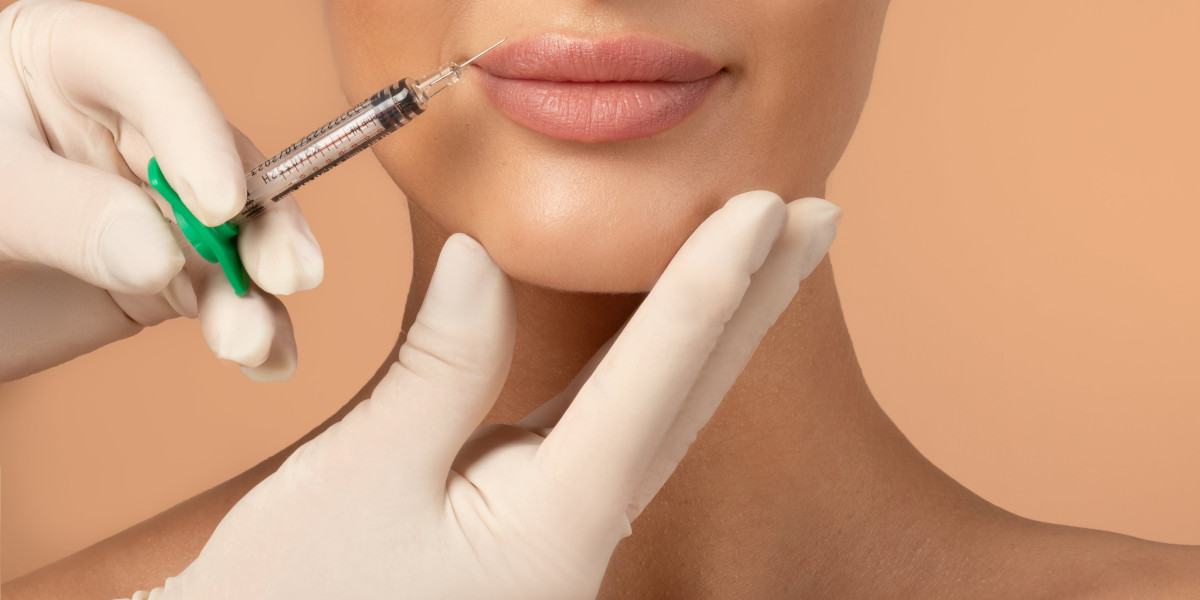

Hyaluronic acid has become a cornerstone in aesthetic and medical treatments due to its remarkable ability to retain moisture and support tissue regeneration. Understanding how hyaluronic acid is processed for medical use is essential for patients and practitioners seeking safe and effective treatments. Clinics offering Hyaluronic Acid Injections in Dubai, such as Dynamic Life Clinics, rely on advanced processing techniques to ensure high purity and consistent results for every patient.
The Natural Source of Hyaluronic Acid
Hyaluronic acid is a naturally occurring substance in the human body, primarily found in the skin, joints, and eyes. For medical applications, it is extracted from reliable sources, including:
Animal-derived sources: Originally extracted from rooster combs, though less common today due to allergy risks and ethical concerns
Microbial fermentation: Modern medical-grade hyaluronic acid is commonly produced through fermentation using bacteria like Streptococcus zooepidemicus, providing a safe and vegan-friendly alternative
This ensures that the final product is biocompatible and minimizes the risk of adverse reactions.
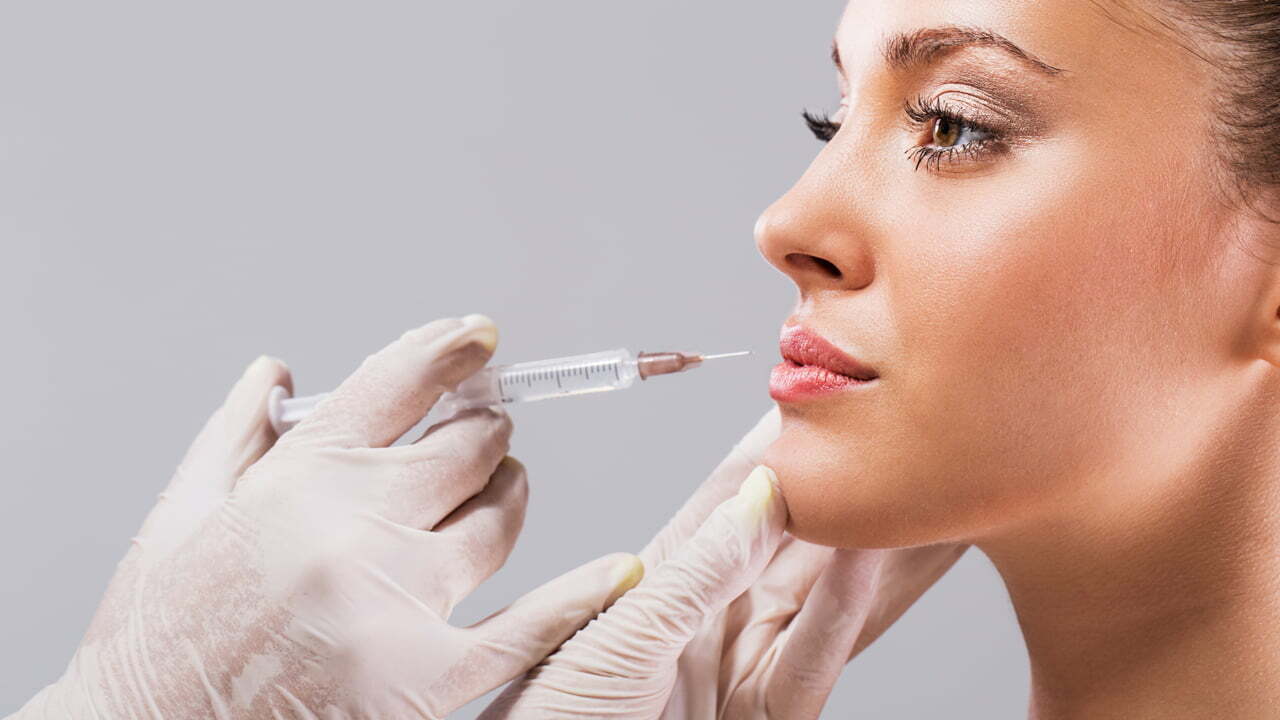
Purification and Filtration Process
After extraction, hyaluronic acid undergoes a meticulous purification process to eliminate impurities, proteins, and potential allergens. This involves several critical steps:
Centrifugation – separating solids from the liquid solution
Filtration – passing the solution through fine filters to remove residual bacteria or debris
Precipitation and dialysis – isolating hyaluronic acid molecules from other compounds and ensuring molecular uniformity
These steps are crucial for medical applications, guaranteeing the substance meets stringent safety and quality standards.
Molecular Weight Standardization
One of the key factors determining hyaluronic acid’s effectiveness is its molecular weight. Different molecular weights serve different medical purposes:
Low molecular weight: Easily penetrates tissues, ideal for skin hydration and superficial treatments
High molecular weight: Provides longer-lasting volume and is commonly used in joint therapies
During processing, hyaluronic acid is fractionated and standardized to achieve the desired molecular weight, ensuring consistent performance in treatments such as dermal fillers or joint injections.
Sterilization and Safety Measures
Medical-grade hyaluronic acid must be sterile to prevent infection. Sterilization is achieved using methods that preserve its molecular structure:
Autoclaving – high-pressure steam sterilization for heat-stable formulations
Gamma irradiation – radiation-based sterilization for heat-sensitive hyaluronic acid
Filtration sterilization – using ultrafine filters to remove microorganisms without altering chemical properties
Strict adherence to these methods ensures that hyaluronic acid is safe for direct injection into human tissues.
Cross-Linking for Enhanced Durability
Natural hyaluronic acid is rapidly metabolized by the body, limiting its duration of action. To overcome this, a process called cross-linking is employed:
Hyaluronic acid molecules are chemically linked to form a network
This slows down degradation and increases longevity in tissues
The degree of cross-linking is carefully controlled depending on the intended application
Cross-linked hyaluronic acid is commonly used in Hyaluronic Acid Injections in Dubai for facial volumizing or joint therapy, providing long-lasting and reliable results.
Quality Control and Regulatory Standards
Before reaching clinics, every batch undergoes rigorous quality control, including:
Purity testing – to detect contaminants or residual proteins
Viscosity measurement – ensuring proper consistency for injection
Endotoxin testing – verifying the absence of bacterial toxins
Regulatory authorities in Dubai and globally require that medical-grade hyaluronic acid complies with Good Manufacturing Practices (GMP) and ISO standards, assuring patient safety and treatment efficacy.
Applications in Medical Treatments
Processed hyaluronic acid is versatile and used in multiple medical fields:
Dermal fillers – restoring facial volume and reducing wrinkles
Joint injections – improving lubrication and mobility in osteoarthritis
Ophthalmology – treating dry eyes and during eye surgeries
Wound healing – promoting tissue repair and hydration
Its biocompatibility, safety, and adaptability make it a preferred choice for both cosmetic and therapeutic procedures.
Innovations in Hyaluronic Acid Processing
Ongoing research continues to improve hyaluronic acid production and application:
Enzymatic modifications – enhancing stability without harsh chemicals
Combination therapies – pairing hyaluronic acid with vitamins or growth factors for enhanced skin rejuvenation
Nano-formulations – improving absorption and targeting for specialized medical treatments
These innovations ensure that patients in Dubai receive the most advanced and effective treatments possible.
Conclusion
Understanding how hyaluronic acid is processed for medical use highlights the precision, safety, and scientific rigor behind its applications. From microbial fermentation to purification, molecular weight standardization, and cross-linking, every step ensures the final product is safe and effective for medical and aesthetic procedures. Clinics providing Hyaluronic Acid Injections in Dubai utilize these meticulously processed formulations to deliver optimal results while prioritizing patient safety.