
Everyone knows the picture-postcard version of New Zealand. It’s the land of the All Blacks, the stunning Southern Alps, and the dramatic landscapes that brought Middle-earth to life. But scratch the surface of this island nation, and you’ll discover a place brimming with surprising facts, quirky customs, and a history that is truly unique. Let’s pull back the curtain on thirteen things you may not know about the real New Zealand. Planning your journey to explore these wonders involves finding the right base, and a great starting point is to browse various hotels New Zealand has to offer to suit your travel style.
First, let's talk about how New Zealanders, or Kiwis, communicate. You might arrive speaking English, but you’ll quickly discover the country has two other official languages: Te Reo Māori, granted official status in 1987, and New Zealand Sign Language, which followed in 2006. Listen closely and you’ll hear greetings like "Kia Ora" everywhere. Then there’s the unofficial fourth language: Kiwi slang. Don’t be alarmed if someone suggests you grab your togs and jandals for a trip to the dairy; they’re just telling you to get your swimsuit and flip-flops for a visit to the corner store. If you find yourself in the ‘wop-wops,’ you’ve simply ventured into the beautifully remote countryside.
This sense of getting away from it all is very real. New Zealand is the perfect place to unplug, whether you want to or not. WiFi and cell phone coverage can be surprisingly limited outside major towns. While it might be an adjustment, it’s an invitation to slow down and truly absorb the surroundings. Hikers, take note: this lack of signal in the hills means you must have solid emergency plans in place beyond your phone. Getting around those hills often involves a car, and that comes with its own learning curve. The country has very few multi-lane highways. Instead, you’ll navigate winding, single-lane roads, all while remembering to drive on the left. Be prepared for another shock at the petrol pump, where fuel is notoriously expensive. A mere 32% of what you pay is for the actual fuel; the rest is a combination of government taxes for road upkeep and an importer margin.
Once you’ve navigated the roads and found your way to a restaurant, you’ll encounter a refreshing social norm. Tipping is not expected in New Zealand. Thanks to a fair minimum wage system, service staff are paid a decent living wage. Of course, if you receive exceptional service, a tip of around 10% or a contribution to a bar’s tip jar is always appreciated, but it’s never an obligation. Your money is better spent on exploring the country’s greatest treasure: its natural landscapes. An incredible 20% of New Zealand is protected as national parks, forests, and reserves, and they are all free to enter. With 14 national parks to choose from, the options for adventure are endless. While the famous multi-day Great Walks require advance bookings, there are countless other trails waiting to be explored at no cost.
New Zealand’s pioneering spirit isn’t limited to its trails. This was a world leader in social progress. On September 19th, 1893, after a powerful campaign led by the remarkable Kate Sheppard, New Zealand became the first self-governing country in the world to grant women the right to vote. This was a landmark achievement that paved the way for others, years before the United States and Britain followed suit. The nation is also a leader in each new day, quite literally. Thanks to its location relative to the International Date Line, a spot just north of Gisborne on the East Cape is the first place on the planet to see the sunrise.
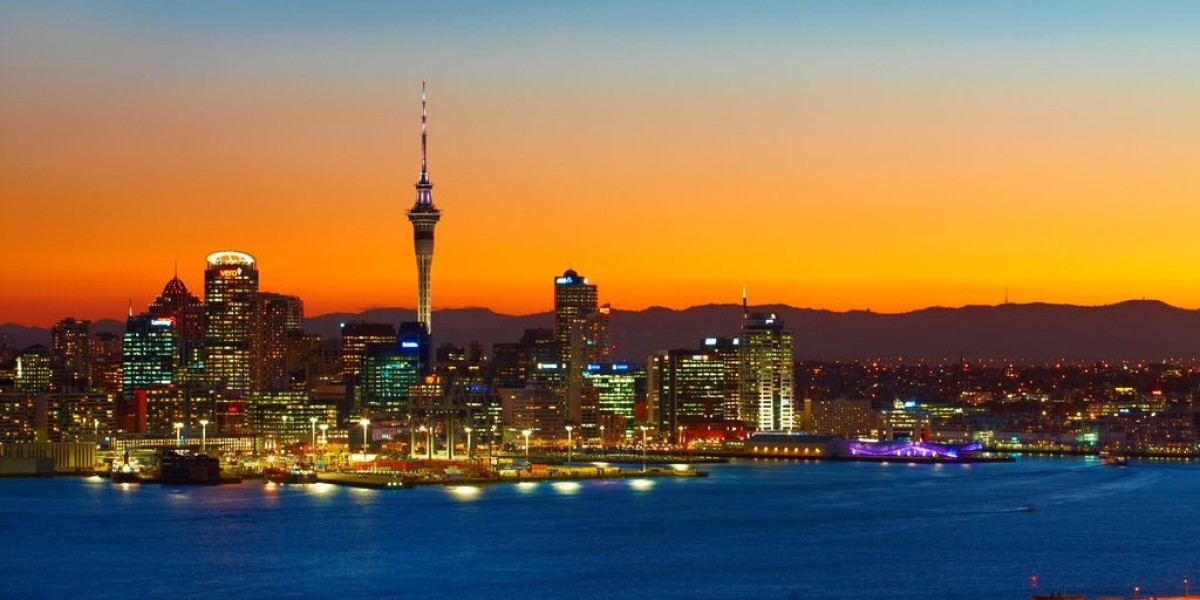
To understand New Zealand today, it helps to look at its people and its past. The population of 4.7 million is concentrated mostly on the North Island, with about a third of all Kiwis calling Auckland home. The society is richly multicultural, a blend of many backgrounds.
| Ethnic Group | Percentage of Population |
|---|---|
| European Descent | ~70% |
| Māori | 16.5% |
| Asian | 15% |
| Non-Māori Pacific Islanders | 8.1% |
Long before this modern mosaic, the Māori people, the Tangata Whenua (people of the land), arrived in waka hourua (voyaging canoes) around 1000 years ago. Their culture is integral to the nation’s identity. Today, one in seven New Zealanders identifies as Māori. Their ancestral knowledge of hunting, gathering, and cultivating—such as cooking the kumara (sweet potato) in a hangi (earth oven)—is a living tradition. This history extends to the animal kingdom. Before humans arrived, the islands were a realm of unique, often flightless birds. The most spectacular was the moa, a giant flightless bird that stood up to 3.6 meters (12 feet) tall and weighed 230kg (510lb). Its only predator was the equally impressive Haast’s Eagle, with a wingspan of up to three meters. Sadly, both are now extinct, but efforts to protect remaining native species are visible throughout the national parks.
This volcanic land itself tells a story. The North Island is a hotbed of geothermal activity, best experienced in Rotorua, where the earth steams, geysers erupt, and mud pools bubble. This energy is even harnessed for power and heating. The landscape is dominated by volcanoes like Mount Taranaki, Mount Ruapehu, and Mount Ngauruhoe, which you might recognize as the forbidding Mount Doom from The Lord of the Rings.
To truly appreciate New Zealand, it's helpful to understand its basic geography. The country is composed of two main islands, each with a distinct personality, as outlined below.
The North Island: Known for its rolling green hills, volcanic landscapes, geothermal wonders, and warmer climate. It's the more populous of the two islands.
The South Island: Famous for its dramatic, rugged scenery, including the Southern Alps, deep fiords, and spectacular coastline. It's generally more mountainous and less populated.
So, while the epic scenery is absolutely real, the true magic of New Zealand lies in these deeper stories—from its groundbreaking history and vibrant Māori culture to its quirky, unplugged way of life. It’s a place that constantly surprises, inviting you to look closer and discover something new around every corner.