
Antique engagement rings carry more than sparkle — they hold stories, craftsmanship, and eras frozen in precious metal. For collectors and romantics alike, these rings represent a bridge between history and modern love. Each piece reflects the design language of its time, from the delicate filigree of the Edwardian age to the geometric confidence of Art Deco. Choosing an antique ring is not just a style decision; it is a statement about individuality, sustainability, and appreciation for heritage craftsmanship.
The Timeless Appeal of Antique Jewelry
Antique rings stand apart from contemporary designs because they were handcrafted in an era when jewelry making was considered fine art. Before mass production, jewelers invested extraordinary time in engraving, stone setting, and metalwork. The result is a level of detail rarely replicated today.
These rings also possess emotional weight. They have lived past lives — marking engagements, anniversaries, and family legacies. Owning one means continuing a story rather than starting from scratch. In an age of fast fashion, antique jewelry offers permanence and meaning.
Another major appeal is sustainability. Choosing antique pieces avoids new mining and reduces environmental impact. Many buyers today appreciate that their ring is not only beautiful but ethically conscious.
Understanding the Major Antique Eras
Each antique engagement ring era has a distinct personality. Knowing these styles helps buyers identify what resonates most with their taste.
Georgian Era (1714–1837)
Georgian rings are extremely rare and fully handmade. Jewelers worked without electricity, shaping gold and silver by candlelight. These rings often feature rose-cut diamonds, foil-backed gemstones, and closed settings that create a soft glow rather than sharp brilliance.
The designs feel romantic and organic, with nature-inspired motifs like flowers, bows, and leaves. Because of their age and fragility, Georgian rings are prized by serious collectors.
Victorian Era (1837–1901)
Victorian jewelry reflects Queen Victoria’s love story and emotional symbolism. Rings from this period often incorporate hearts, serpents (a symbol of eternal love), and colored gemstones like garnets, turquoise, and sapphires.
Diamonds became more accessible during this time, and cluster settings grew popular. Victorian rings balance sentiment and ornamentation, making them ideal for those drawn to romantic vintage aesthetics.
Edwardian Era (1901–1915)
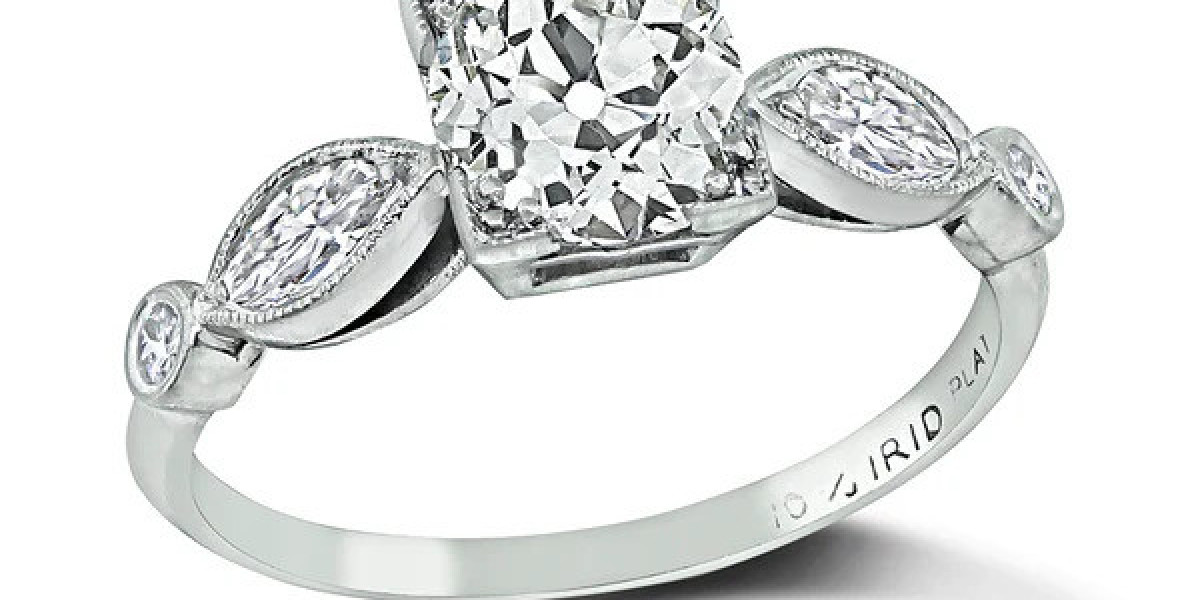
Edwardian engagement rings are known for lace-like elegance. Platinum became the preferred metal, allowing jewelers to create intricate filigree and airy designs. These rings often appear delicate but are structurally strong.
The style emphasizes lightness and sophistication. Milgrain detailing, fine engraving, and symmetrical diamond arrangements define the Edwardian look. It is perfect for those who appreciate refined femininity.
Art Deco Era (1920–1935)
Art Deco rings are bold, geometric, and modern even by today’s standards. Inspired by architecture and industrial progress, these designs feature sharp lines, symmetrical patterns, and strong contrasts.
Diamonds are often paired with sapphires, emeralds, or onyx to create graphic impact. Step-cut stones like emerald and baguette cuts became popular. Art Deco rings appeal to buyers who want vintage charm with a contemporary edge.
Craftsmanship That Defines Value
What truly separates antique rings from modern reproductions is craftsmanship. Hand engraving, hand-cut stones, and meticulous metalwork create a tactile richness you can see and feel.
Older diamonds, such as Old Mine Cut and Old European Cut stones, were shaped to glow under candlelight rather than modern LED lighting. They reflect light differently — softer, warmer, and more romantic.
The value of antique rings often lies in their artistry rather than carat weight alone. A smaller antique diamond may carry more character than a larger modern stone.
How to Choose the Right Antique Ring
Selecting an antique engagement ring involves balancing beauty, condition, and personal style.
First, consider lifestyle. Some antique rings are delicate and best suited for occasional wear. Others, particularly Art Deco platinum rings, are durable enough for daily use.
Second, inspect condition carefully. Original stones, intact prongs, and minimal restoration preserve value. A reputable antique jeweler should provide documentation and transparency about repairs.
Third, choose a design that resonates emotionally. Antique rings are not trend-driven purchases; they are lifelong companions. The best ring is one that feels like it belongs to you.
Authenticity and Investment Potential
Authentic antique jewelry often appreciates in value over time, especially rare pieces from early eras. Limited supply and growing demand make these rings attractive to collectors.
Certification and provenance increase credibility. Buyers should work with trusted dealers who specialize in estate and antique jewelry. Hallmarks, period-appropriate craftsmanship, and gemstone cuts help confirm authenticity.
While investment should not overshadow emotional connection, antique rings offer the rare advantage of combining romance with financial sensibility.
Caring for Antique Rings
Proper care ensures longevity. Antique jewelry should be cleaned gently using mild soap and soft brushes. Harsh ultrasonic cleaners can damage fragile settings.
Regular inspections by a skilled jeweler help maintain structural integrity. Prongs, filigree, and stone settings should be checked annually, especially for rings worn daily.
Storage matters too. Keep antique rings in soft-lined boxes, separated from modern jewelry that could scratch delicate surfaces.
Why Antique Rings Feel Personal
Modern engagement rings are often mass-produced variations of similar designs. Antique rings, by contrast, feel deeply individual. No two are identical. Their imperfections add character and authenticity.
Wearing an antique ring connects the present with the past. It transforms jewelry into a narrative — a reminder that love stories existed long before ours and will continue long after.
This emotional dimension is why many couples choose antique rings over new ones. They want a symbol that reflects permanence, heritage, and uniqueness.
A Modern Renaissance of Vintage Style
Today’s jewelry market is experiencing a renaissance of antique appreciation. Younger buyers are increasingly drawn to pieces that stand apart from mainstream trends. They value craftsmanship, sustainability, and storytelling.
Antique engagement rings fit perfectly into this shift. They combine old-world artistry with modern individuality, proving that beauty is not bound by time.
Conclusion
Antique engagement rings are more than jewelry; they are heirlooms in waiting. Each era offers a distinct voice — romantic, elegant, geometric, or ornate — allowing buyers to choose a style that mirrors their identity.
In a world saturated with sameness, antique rings celebrate uniqueness. They honor craftsmanship, preserve history, and carry emotional depth unmatched by modern production.
Choosing an antique ring is choosing a piece of art, a fragment of history, and a promise that transcends generations. It is a reminder that true beauty never fades — it simply becomes more meaningful with time.