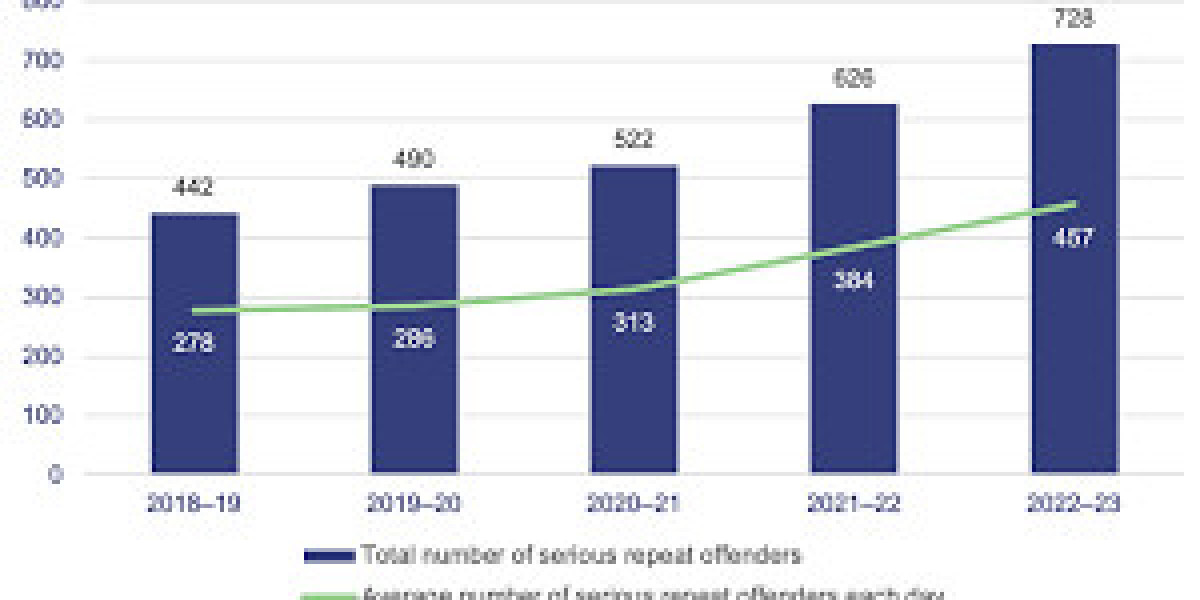

Youth criminality is becoming an increasingly serious concern in Australia. Many municipalities have seen an upsurge in violent conduct, property crime, and group-related crimes. Parents, teachers, and municipal authorities are becoming increasingly worried about why these patterns are occurring and how they might be prevented before they worsen. The first step toward keeping Australian neighborhoods safe and protecting young people is to understand why adolescent crime is on the rise.
Why youth crime is rising
Over the last few years, there have been noticeable changes in how young people behave in Australia. Not every community faces the same issues, but some are common to many of them.
Social and family pressures
Many young people do not have stable households or reliable support systems. Teenagers may seek a sense of belonging in the wrong places if they have familial issues, no positive role models, and poor communication skills. When kids believe no one is listening to or supporting them, they frequently engage in risky conduct to cope with their emotions or gain attention.
Influence of peers
What young people choose to do is heavily influenced by what their friends do. Young people frequently mimic what they see others doing, acting, and talking. People are more inclined to join an organization that promotes lawlessness, risk-taking, or thrill-seeking. This problem is more noticeable in settings where young people congregate, particularly late at night.
Online behaviour and exposure
Technology exposes young Australians to images that can normalize violence, encourage them to take risks, and instill in them incorrect notions of "status." Some teenagers use social media to brag about crimes they've committed or to mimic popular content that glorifies violence. Groups can more readily coordinate or record acts that could get them in trouble using the internet.
Substance use
Drug and alcohol misuse continues to play a significant role in youth criminality. Using drugs or alcohol impairs your ability to think clearly, makes you more prone to acting on impulse, and increases your likelihood of engaging in violent or destructive behavior. Many incidents involving young people occur in areas with a high concentration of pubs and clubs or where there are a large number of individuals out at night.
Current crime trends among Australian youth
There is not just one type of crime that young people commit. There are other trends that have been seen all around the country.
Increase in violent street incidents
There have been increased instances of violence in public places that occur suddenly and without notice. These phenomena happen frequently with young people, and they can occur unexpectedly. Some incidents involve weapons, which can have serious consequences for both the victims and the culprits. Events like the Fortitude Valley stabbing case remind us how rapidly things can spiral out of control, and they demonstrate why communities want better ways to prevent these incidents from occurring.
Growth in property-related offences
Car theft, break-ins, vandalism, and shoplifting continue to be major issues. Many of these crimes are committed by young people seeking excitement or under peer pressure. Teenagers sometimes commit crimes because they believe they do not have enough opportunities or resources.
Anti-social behaviour in nightlife areas
Entertainment districts attract large crowds, which can lead to problems with drinking, loud music, and group behavior. Young people that hang out in these venues frequently engage in fights or arguments. There have been increasing incidents at public transportation hubs and popular hangouts for young people, particularly on weekends.
Underlying issues that contribute to youth crime
To understand why these attitudes continue, consider the underlying issues that many young Australians face.
Lack of community connection
When young people believe they do not belong in their community, school, or culture, they are more vulnerable to negative influences. Young individuals in areas with few activities or fun things to do have a higher incidence of issues.
Limited access to mental health support
Anxiety, emotional stress, and mental health issues can all contribute to harmful behavior. Many young people struggle to get counseling or help that is appropriate for their age group. Stress might cause you to become upset, act on impulse, or rebel if you do not seek help.
Economic pressure
If they are experiencing financial difficulties at home, some young people may resort to criminal activity. Young adults who believe they have few job possibilities or are unemployed are more likely to commit crimes in places with significant unemployment or a scarcity of job openings.
Real-life examples and public response
Teenage criminality has received increasing attention in the media, raising awareness among Australians. People's viewpoints vary, but the majority desire safer streets and better intervention programs. The incident in Fortitude Valley, which received extensive national publicity, exemplifies how a single event can spark a nationwide conversation.
These types of cases generally lead to calls for increased enforcement, improved illumination in congested areas, more youth programs, and more education on how to prevent violence.
How Australia is responding
Several jurisdictions are experimenting with novel approaches to reducing juvenile crime. Some examples include community-based programs, mentoring, early intervention help, and harsher punishments for repeat offenders. Police presence has also increased in major nightlife areas in an effort to prevent violence from occurring.
Many schools and youth centers now provide programs that teach children about making good decisions, maintaining healthy relationships, and developing emotional strength. Local governments are also improving public spaces, offering safer routes to get about, and constructing youth centers where young people may do beneficial things.
What communities can do
Communities are essential for keeping children safe. When parents, teachers, and community members collaborate, young children are less likely to cause trouble.
Here are some simple ways that communities can encourage good behavior:
Encourage adults and young people to communicate openly.
Help with sports, artistic activities, and after-school programs.
Increase awareness about mental health and make it easy to seek treatment.
Every little contribution helps to make the world a safer place and connects young Australians to their communities.
Conclusion
Youth criminality in Australia is a complex issue that involves cultural influences, economic concerns, online culture, and group behavior. It is alarming that adolescent violence and property crimes are on the rise, but understanding why they occur can help communities respond with empathy and sound strategies. Australia can make neighborhoods safer for everyone by assisting young people early on, supporting positive behaviors, and fostering community relationships.
More Info: dailypost & dailytrends