Surgical procedures demand precision, reliability, and the right tools. Among the specialized instruments used in orthopedic and rhinoplasty surgeries, the cottle chisel osteotome stands out as an indispensable device for bone reshaping and nasal reconstruction. Whether you're a seasoned surgeon or a medical procurement professional, understanding the features and applications of this instrument can enhance surgical outcomes and patient safety.
Azeemed Instruments is dedicated to providing high-quality surgical tools that meet the needs of professionals. This blog explores the cottle chisel osteotome in detail, covering its design, clinical applications, and why choosing the right supplier matters for your practice.
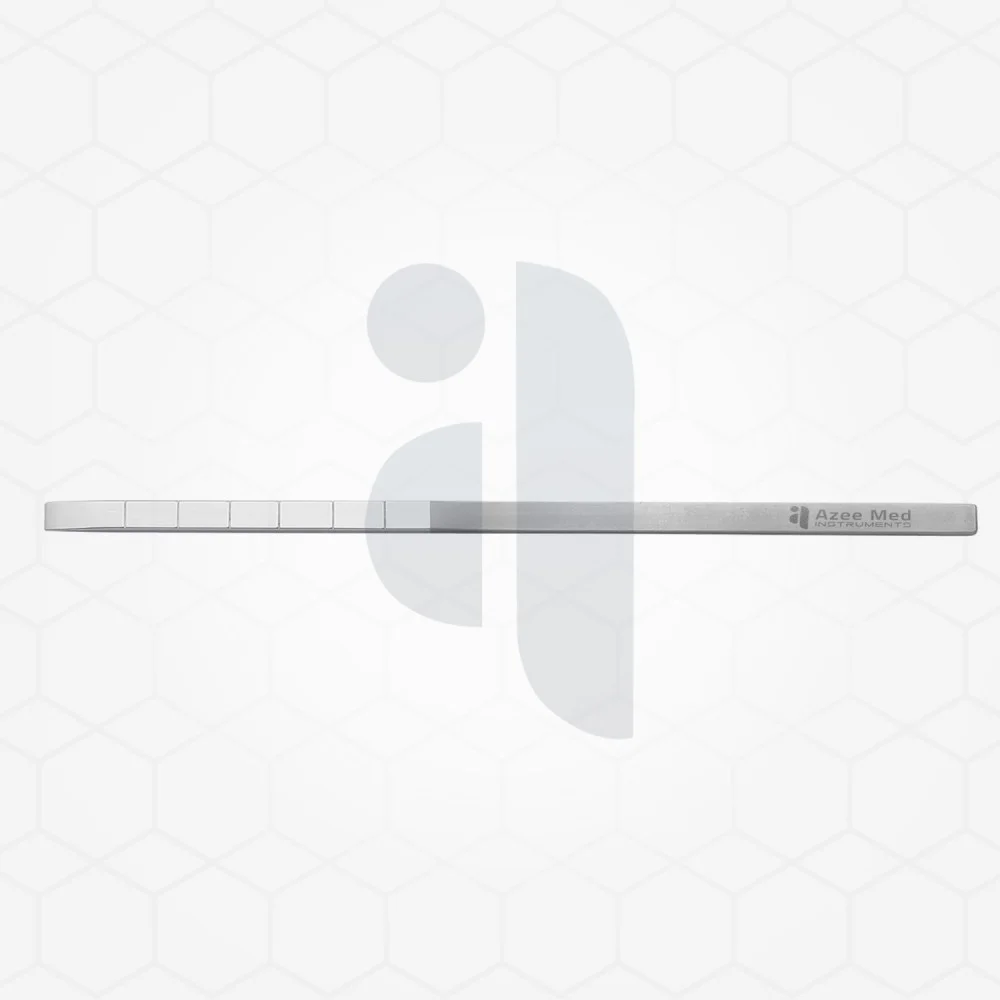
What Is a Cottle Chisel Osteotome?
The cottle chisel osteotome is a surgical instrument primarily used in nasal and orthopedic procedures to cut, shape, and reposition bone tissue. Named after Dr. Maurice H. Cottle, a pioneer in rhinoplasty techniques, this tool has become a staple in facial plastic surgery and ENT (ear, nose, and throat) operations.
The instrument features a beveled cutting edge that allows surgeons to make controlled, precise cuts through bone without causing excessive trauma to surrounding tissues. Its ergonomic handle provides a comfortable grip, enabling surgeons to apply the necessary force while maintaining accuracy.
Key Features
- Sharp Beveled Edge: Ensures clean cuts through bone with minimal effort
- Durable Construction: Typically made from surgical-grade stainless steel for longevity
- Ergonomic Handle: Designed for comfort during extended procedures
- Various Widths Available: Ranges from narrow to wide blades to suit different surgical needs
Clinical Applications of the Cottle Chisel Osteotome
This versatile instrument serves multiple purposes across various surgical specialties:
Rhinoplasty Procedures
In cosmetic and reconstructive nasal surgery, the cottle chisel osteotome helps surgeons reshape nasal bones with precision. It's particularly useful for performing osteotomies—controlled fractures that allow repositioning of nasal structures to improve both function and aesthetics.
Orthopedic Surgery
Beyond nasal procedures, orthopedic surgeons use this instrument to harvest bone grafts, remove bone spurs, and reshape skeletal structures during reconstructive operations.
Maxillofacial Surgery
Maxillofacial specialists rely on the cottle chisel osteotome for procedures involving the jaw, cheekbones, and other facial bones, where precision is paramount to achieving optimal results.
Understanding the Double Ended Curette
While the cottle chisel osteotome excels at bone cutting, many surgical procedures require additional instruments for tissue removal and cleaning. The double ended curette is another essential tool that complements bone work perfectly.
What Makes the Double Ended Curette Valuable?
A double ended curette features two working ends, each with a different size or shape of scoop. This design offers versatility during procedures, allowing surgeons to switch between ends without reaching for a new instrument. The curette is particularly useful for:
- Removing soft tissue from bone surfaces
- Cleaning out bone cavities
- Scraping away diseased or damaged tissue
- Smoothing bone edges after osteotomy
Combining Instruments for Better Outcomes
When used together, the cottle chisel osteotome and double ended curette create a comprehensive toolkit for bone procedures. The osteotome handles the precise cutting work, while the curette cleans and refines the surgical site. This combination reduces procedure time and improves overall surgical efficiency.
Selecting Quality Surgical Instruments
The quality of surgical instruments directly impacts patient outcomes and surgical success rates. When selecting a cottle chisel osteotome, consider these important factors:
Material Quality
Look for instruments made from medical-grade stainless steel, which offers excellent corrosion resistance and maintains a sharp edge through multiple sterilization cycles. Premium alloys ensure the instrument won't bend, break, or dull prematurely.
Manufacturing Standards
Reputable manufacturers adhere to strict quality control processes and international standards such as ISO 13485. These certifications guarantee that instruments meet rigorous safety and performance requirements.
Edge Retention
A high-quality cottle chisel osteotome should maintain its sharp edge through numerous procedures. Poor-quality instruments require frequent sharpening, which can alter their geometry and compromise performance.
Ergonomic Design
Comfort matters during lengthy surgical procedures. Instruments with well-designed handles reduce hand fatigue and allow surgeons to maintain steady control throughout the operation.
Why Choose Azeemed Instruments?
Azeemed Instruments has built a reputation for delivering surgical tools that surgeons trust. Here's what sets them apart:
Commitment to Quality
Every instrument undergoes rigorous testing to ensure it meets the highest standards of precision and durability. This attention to detail means you can rely on consistent performance when it matters most.
Comprehensive Product Range
From the cottle chisel osteotome to specialized curettes and beyond, Azeemed Instruments offers a complete selection of surgical tools for various specialties. This makes it easy to source all your instruments from a single, trusted supplier.
Expert Support
The team at Azeemed Instruments understands the unique needs of surgical professionals. They provide knowledgeable guidance to help you select the right instruments for your specific applications.
Competitive Pricing
Quality doesn't have to come with an excessive price tag. Azeemed Instruments offers professional-grade surgical tools at fair prices, helping practices manage costs without compromising on quality.
Proper Care and Maintenance
To maximize the lifespan of your surgical instruments, follow these care guidelines:
Immediate Post-Procedure Cleaning
Remove blood and tissue debris as soon as possible after use. Allowing organic material to dry on instruments can cause corrosion and make cleaning more difficult.
Sterilization Protocol
Follow manufacturer recommendations for sterilization. Most stainless steel instruments can withstand autoclaving, but always verify compatibility to avoid damage.
Regular Inspection
Check instruments before each use for signs of wear, corrosion, or damage. A compromised cottle chisel osteotome can cause complications during surgery, so replace worn instruments promptly.
Professional Sharpening
When cutting edges become dull, have instruments professionally sharpened rather than attempting it yourself. Improper sharpening can alter the geometry and reduce effectiveness.
Investing in Surgical Excellence
The right surgical instruments form the foundation of successful procedures. By choosing high-quality tools like those offered by Azeemed Instruments, you're investing in better patient outcomes, improved surgical efficiency, and long-term cost savings.
Whether you need a precision cottle chisel osteotome for delicate nasal work or a versatile double ended curette for tissue management, selecting instruments from a trusted manufacturer ensures you have the reliability and performance your practice demands.
Ready to upgrade your surgical toolkit? Explore the comprehensive range of professional-grade instruments available from Azeemed Instruments and experience the difference that quality makes in your surgical practice.