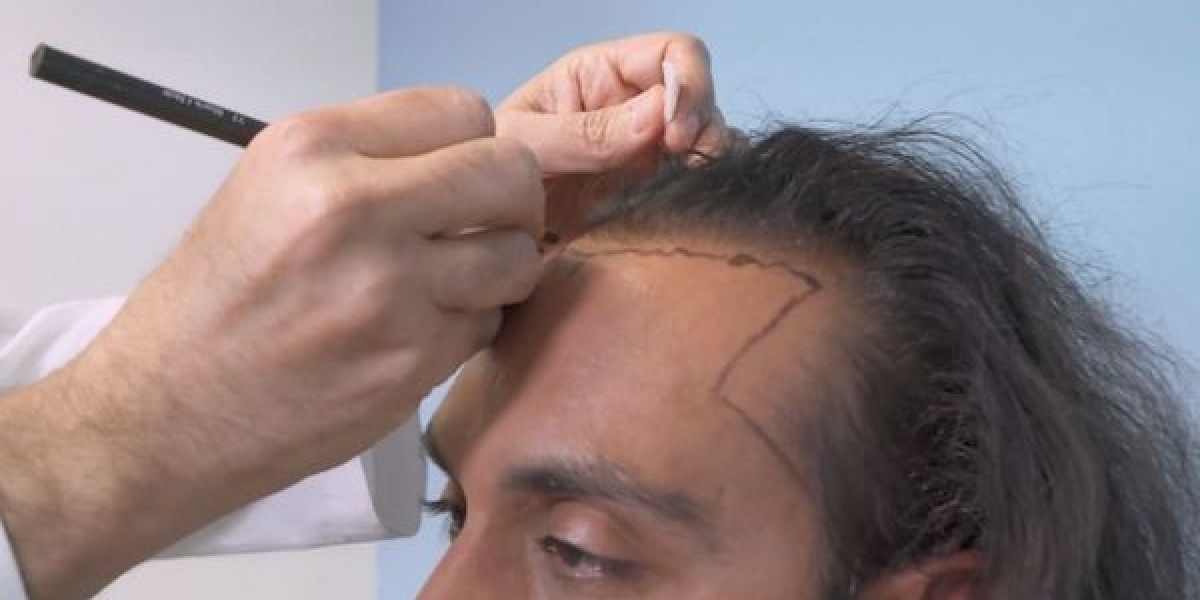

Hair transplant surgery has become a popular solution for individuals experiencing hair thinning or baldness. While the focus often lies on the restored areas, understanding the impact on donor areas is equally crucial. Donor areas are the regions from which healthy hair follicles are harvested, typically the back or sides of the scalp. These areas play a critical role in determining the success of the procedure and maintaining a natural appearance post-surgery. For those seeking a Hair Transplant Clinic in Sharjah, knowing how the donor site is affected can help make an informed decision.
Understanding Donor Areas
Donor areas contain hair follicles that are genetically resistant to hair loss, making them ideal for transplantation. The most commonly used donor site is the occipital region at the back of the head, though side scalp areas can also be utilized depending on individual hair density. The health and density of these donor follicles are vital since they provide the source of hair for the transplant.

Common Hair Transplant Techniques and Donor Area Effects
There are two primary hair transplant techniques, and each impacts the donor area differently:
1. Follicular Unit Transplantation (FUT):
In FUT, a strip of scalp is removed from the donor site, and individual follicular units are extracted.
This technique leaves a linear scar, which can be covered by surrounding hair but may be noticeable if the hair is cut very short.
Healing involves careful suturing, and patients may experience mild soreness or tightness in the donor region for a few weeks.
2. Follicular Unit Extraction (FUE):
FUE involves harvesting individual follicles directly from the donor area using tiny punch tools.
Unlike FUT, FUE does not leave a linear scar, only small, dot-like marks that are generally less visible.
Recovery is quicker, with minimal discomfort and a lower risk of noticeable scarring.
Both techniques are safe when performed by skilled professionals at a reputable Hair Transplant Clinic in Sharjah, but the choice between FUT and FUE depends on factors such as hair density, scalp elasticity, and patient preferences.
Potential Changes in Donor Areas
While donor areas are designed to recover, certain changes can occur after a hair transplant:
Temporary Redness and Swelling: Mild inflammation and redness are common post-surgery but usually subside within a few days.
Shock Loss: Occasionally, existing hairs around the donor site may fall out temporarily due to trauma from the procedure. These hairs often regrow naturally within a few months.
Scarring: FUT leaves a linear scar, while FUE results in tiny punctate scars. With proper care and technique, these scars remain subtle and hidden under surrounding hair.
Thinning: Overharvesting can lead to visible thinning in the donor area. Experienced clinics carefully plan follicle extraction to preserve natural density and avoid overharvesting.
How to Protect Your Donor Area
Maintaining the health of your donor area is crucial for a successful hair transplant outcome. Consider these tips:
Follow Post-Operative Instructions: Proper wound care, including gentle cleaning and avoiding strenuous activity, promotes faster healing.
Avoid Direct Sun Exposure: The donor area is sensitive after surgery, so shielding it from harsh sunlight helps prevent irritation and pigmentation changes.
Use Recommended Hair Products: Gentle shampoos and prescribed topical treatments support healing and hair regrowth.
Regular Check-Ups: Monitoring the donor area ensures any concerns, such as delayed healing or unusual thinning, are addressed promptly.
The Importance of Choosing the Right Clinic
Selecting a professional Hair Transplant Clinic in Sharjah is essential for preserving donor area integrity. Skilled surgeons evaluate donor site density, scalp elasticity, and hair characteristics to ensure natural results without compromising donor hair. Clinics with experienced teams use advanced tools and techniques to minimize trauma, optimize recovery, and maintain a balanced appearance across both donor and recipient areas.
Long-Term Considerations
When performed correctly, hair transplants generally have minimal long-term effects on donor areas. Scars fade over time, and any temporary hair shedding resolves naturally. Maintaining overall hair health, including a balanced diet and proper scalp care, can support the longevity of both donor and transplanted hair. Patients should also have realistic expectations, understanding that donor hair is limited and careful planning is necessary to achieve natural results without overtaxing the donor region.
Conclusion
Understanding the effects of hair transplant surgery on donor areas is vital for anyone considering this procedure. With proper technique, post-operative care, and the guidance of a professional Hair Transplant Clinic in Sharjah, donor sites can heal effectively, leaving minimal visible impact while providing healthy follicles for transplantation. Prioritizing donor area preservation ensures not only successful hair restoration but also long-term scalp health and a natural-looking outcome.