
They provide essential nutrients, water retention, and structural support for crops while also hosting a complex ecosystem of beneficial microorganisms. Managing agricultural soils effectively is critical not only for increasing crop yields but also for improving resilience, reducing input costs, and promoting environmental sustainability.
This comprehensive guide explores the characteristics of Agricultural Soils, key challenges, best management practices, and strategies to enhance soil fertility and long-term farm productivity.
Understanding Agricultural Soils
Agricultural soils are classified based on their physical, chemical, and biological properties. These properties determine the soil’s suitability for different crops and management practices.
Key Components of Agricultural Soils:
Texture – The proportion of sand, silt, and clay affects water retention, drainage, and root penetration.
Structure – Aggregates of soil particles influence aeration, water movement, and root growth.
Organic Matter – Decomposed plant and animal material provides nutrients, improves water-holding capacity, and supports microbial life.
pH and Nutrients – Soil pH affects nutrient availability, while nitrogen, phosphorus, potassium, and micronutrients are essential for crop growth.
Biological Activity – Beneficial microbes, fungi, and earthworms enhance nutrient cycling and soil health.
Understanding these factors allows farmers to implement practices that optimize soil fertility and productivity.
Common Challenges in Agricultural Soils
Agricultural soils face numerous challenges that can reduce productivity if left unmanaged:
Soil Erosion – Wind and water can remove topsoil, which contains most of the nutrients and organic matter.
Compaction – Heavy machinery can compress soil, reducing aeration and root growth.
Nutrient Depletion – Intensive cropping can exhaust essential nutrients if not replenished.
Poor Water Retention – Sandy or degraded soils may struggle to hold water, stressing crops.
Decreased Microbial Activity – Overuse of chemicals and improper tillage can reduce soil biodiversity.
Effective management strategies can mitigate these challenges and restore soil function.
Best Practices for Agricultural Soil Management
Soil Testing and Monitoring
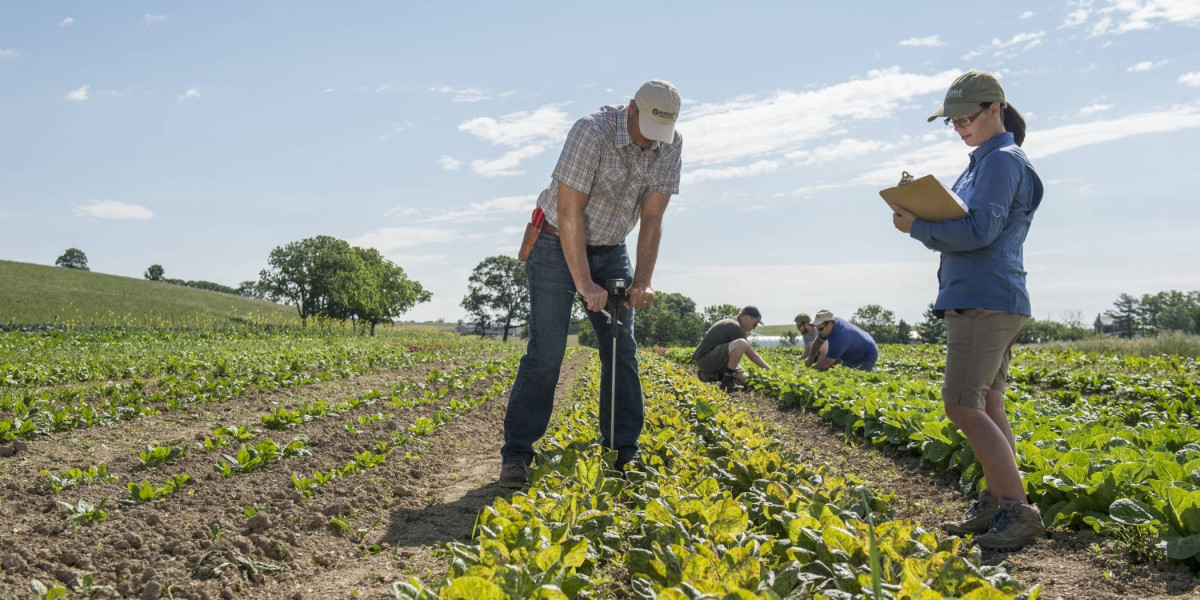
Regular soil testing helps determine nutrient levels, pH, and organic matter content. Monitoring allows for precise amendments and adjustments tailored to crop needs.
Cover Cropping
Planting cover crops during off-seasons protects soil from erosion, adds organic matter, and improves soil structure.
Organic Amendments
Adding compost, manure, or products like Living Carbon enhances soil fertility, stimulates microbial activity, and improves water retention.
Reduced or No-Till Farming
Minimizing tillage preserves soil structure, reduces compaction, and maintains microbial habitats.
Crop Rotation
Rotating crops helps prevent nutrient depletion, disrupts pest cycles, and supports soil biodiversity.
Water Management
Proper irrigation techniques prevent waterlogging and drought stress while maintaining soil health.
Biochar Application
Integrating biochar into agricultural soils enhances carbon storage, improves soil structure, and increases nutrient retention.
Enhancing Soil Fertility and Microbial Activity
Healthy soils rely on active microbial communities. Practices that promote microbial activity include:
Incorporating organic matter (compost, crop residues)
Avoiding excessive chemical fertilizers and pesticides
Maintaining balanced soil moisture
Using liquid amendments like compost teas to support microbial populations
Enhanced microbial activity accelerates nutrient cycling, supports plant health, and improves soil resilience.
Soil Carbon Sequestration
Agricultural soils are a key tool for carbon sequestration, helping mitigate climate change. Practices such as cover cropping, compost application, reduced tillage, and biochar integration increase soil organic carbon, improve fertility, and enhance soil structure.
Benefits of Healthy Agricultural Soils
Increased crop yields and quality
Reduced input costs through efficient nutrient management
Enhanced resilience to drought and extreme weather
Improved water quality by reducing runoff and nutrient loss
Support for regenerative agriculture and sustainable farming certifications
Healthy soils are not just productive—they are resilient and environmentally beneficial.
Monitoring and Long-Term Soil Management
Long-term soil health requires ongoing attention:
Keep detailed records of soil tests and amendments
Monitor changes in soil structure, organic matter, and microbial activity
Adjust practices based on soil performance and crop responses
Integrate soil health consulting for expert guidance
Consistent monitoring ensures that soil improvements are sustained over time and that farming practices remain both productive and regenerative.
Conclusion
Agricultural soils are the foundation of sustainable and profitable farming. Proper management, including regular testing, organic amendments, cover cropping, biochar integration, and careful water and nutrient management, can transform degraded or average soils into highly productive, resilient ecosystems.
By prioritizing soil health, farmers not only increase yields and reduce costs but also contribute to environmental sustainability and climate resilience. Healthy agricultural soils support long-term farm success while protecting vital natural resources for future generations.