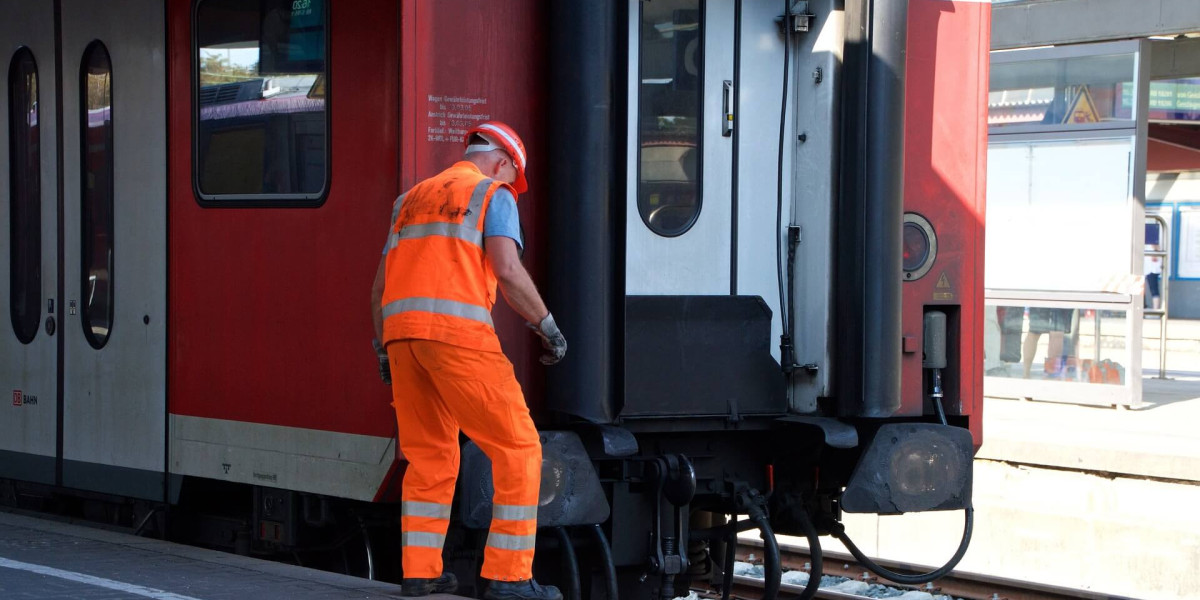
The Link Between Logistics and Customer Experience
Customer satisfaction is no longer determined solely by product quality or price. Delivery performance has become a major factor in the overall customer experience. When customers place an order, they expect accurate delivery timelines, real-time updates, and safe handling of goods. Transportation logistics ensures that these expectations are met by coordinating the movement of products from warehouses to end-users.
A smooth logistics process creates a positive impression, while delays, damaged goods, or poor communication can lead to dissatisfaction—even if the product itself is excellent.
Speed and Timely Deliveries
One of the most critical aspects of transportation logistics is delivery speed. Today’s customers expect quick shipping, often within the same day or next day. Efficient route planning, optimized fleet management, and strategic warehouse locations help businesses meet these expectations.
Late deliveries can significantly impact customer trust. When shipments arrive on time, it reinforces reliability and encourages repeat purchases. On the other hand, consistent delays can push customers to competitors who offer faster and more dependable services.
Real-Time Tracking and Transparency
Modern customers value transparency throughout the delivery process. Transportation logistics systems equipped with tracking technologies allow customers to monitor their shipments in real time. This visibility reduces uncertainty and builds confidence in the brand.
Providing accurate tracking updates also minimizes customer inquiries and enhances the overall experience. Customers feel more in control when they know exactly when their order will arrive, which leads to higher satisfaction levels.
Accuracy and Order Fulfillment
Transportation logistics is not just about moving goods—it’s about delivering the right products in the right condition. Errors in order fulfillment, such as wrong items or missing packages, can frustrate customers and damage brand reputation.
Efficient logistics systems ensure proper inventory management, accurate order processing, and careful handling during transit. By reducing errors, businesses can improve customer trust and loyalty.
Last-Mile Delivery Matters Most
The last-mile delivery stage is often the most crucial part of the logistics process. It is the final interaction between the business and the customer, making it a key determinant of satisfaction.
Challenges such as traffic, incorrect addresses, or failed delivery attempts can disrupt this stage. Businesses that invest in last-mile optimization—through route planning, local delivery hubs, or flexible delivery options—can significantly enhance customer experience.
Options like scheduled deliveries, same-day service, and contactless delivery add convenience and increase customer satisfaction.
Cost Efficiency Without Compromising Quality
While customers appreciate fast and reliable deliveries, they are also sensitive to shipping costs. Transportation logistics helps businesses strike a balance between cost efficiency and service quality.
Optimized logistics operations reduce unnecessary expenses, allowing companies to offer competitive or even free shipping. This not only attracts customers but also enhances their overall satisfaction.
However, cutting costs should never come at the expense of service quality. Poor logistics decisions can lead to delays or damaged goods, ultimately harming customer relationships.
Handling Returns and Reverse Logistics
Returns are an inevitable part of modern commerce, especially in e-commerce. A hassle-free return process is a key factor in customer satisfaction. Transportation logistics plays a crucial role in managing reverse logistics efficiently.
Easy return pickups, quick refunds, and clear communication make customers feel valued and secure in their purchasing decisions. A complicated or slow return process, on the other hand, can deter future purchases.
Technology as a Game Changer
Advanced technologies are transforming transportation logistics and improving customer satisfaction. Tools such as Artificial Intelligence (AI), Internet of Things (IoT), and data analytics enable businesses to optimize routes, predict delays, and improve delivery accuracy.
Automation reduces human errors, while predictive analytics helps companies proactively address potential issues. These innovations not only enhance operational efficiency but also ensure a seamless customer experience.
Building Trust and Brand Loyalty
Reliable transportation logistics builds trust, which is essential for long-term customer relationships. When customers consistently receive their orders on time and in perfect condition, they are more likely to return and recommend the brand to others.
Positive delivery experiences contribute to strong brand loyalty, while negative experiences can quickly spread through reviews and social media, damaging reputation.
Conclusion
Transportation logistics is a critical component of customer satisfaction. From timely deliveries and accurate order fulfillment to transparent tracking and efficient returns, every aspect of logistics impacts how customers perceive a brand.
Businesses that invest in efficient and technology-driven logistics solutions can meet rising customer expectations, enhance their reputation, and gain a competitive edge in the market. In today’s customer-centric world, strong transportation logistics is not just an operational necessity—it is a key driver of success.